Glitter Animal Print Patterns: A Practical Guide for Designers and Crafters
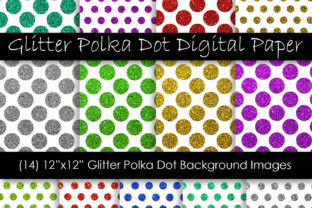
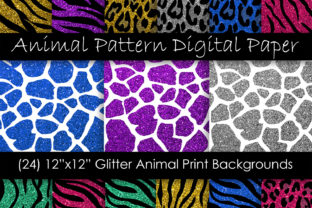
Glitter Animal Print Patterns refer to a curated digital collection of high-resolution, ready-to-use pattern files that combine classic animal motifs—zebra, leopard, tiger, and giraffe—with reflective glitter textures. Each file is 12 × 12 inches at 300 DPI, delivered as a downloadable .zip containing 24 individual .jpg files. The glitter effect isn’t simulated with filters or overlays; it’s baked directly into the texture, giving each pattern a tactile, dimensional quality even in static form.
What Sets Glitter Animal Print Patterns Apart
Most animal print pattern libraries focus on realism, minimalism, or stylized flat graphics—but few integrate physical texture simulation at this resolution and consistency. The inclusion of glitter isn’t decorative afterthought; it’s integral to the design logic. Colors span six carefully balanced palettes: blue, pink, silver, gold, teal, and purple—each applied uniformly across all four animal motifs. This ensures visual cohesion when mixing patterns within a single project, such as a coordinated scrapbook suite or layered fabric collection.
Unlike vector-based animal prints (which scale infinitely but often lack texture fidelity), these are raster files optimized for print output. That means they retain their shimmer clarity when printed on cardstock, vinyl, or specialty papers—provided the printer supports rich color depth and fine detail. Unlike free online pattern generators, which may produce low-DPI outputs or inconsistent repeats, Glitter Animal Print Patterns offer predictable, production-ready results straight from download.
How It Compares With Other Pattern Options
Designers evaluating options typically weigh three factors: texture authenticity, format flexibility, and workflow compatibility. Glitter Animal Print Patterns sits between two common alternatives: generic royalty-free pattern packs and custom commission work.
- Generic pattern libraries (e.g., large subscription sites) often include hundreds of animal prints—but glitter textures are rare, and when present, they’re usually limited to one or two color variants. Consistency across motifs is rarely prioritized, making coordinated projects more time-consuming to assemble.
- Custom-designed patterns offer full control over color, scale, and texture but require budgeting for design time, revisions, and licensing clarity—especially if used commercially. Glitter Animal Print Patterns provides a middle ground: professional-grade execution without the back-and-forth or overhead.
It’s also distinct from “glitter overlay” PNGs—translucent layers meant to be stacked atop other designs. Those offer flexibility but demand layer management, blending mode adjustments, and testing across software (e.g., Cricut Design Space vs. Adobe Illustrator). Glitter Animal Print Patterns eliminates those variables: the glitter is already composited, calibrated, and flattened into a single, print-optimized image.
Practical Use Cases and Realistic Applications
This collection shines where texture and theme intersect meaningfully—not just decoratively. For example:
- A wedding stationery designer creating foil-accented invitations might use the gold leopard pattern as a background for vellum overlays, knowing its 300 DPI resolution will hold up under close inspection and embossing.
- A small-batch sticker maker sourcing printable vinyl designs could pair the teal zebra pattern with matte-finish laminate—leveraging the built-in glitter contrast rather than adding separate foil stamping.
- An educator developing classroom materials might choose the pink giraffe pattern for reward charts: the sparkle adds visual interest for younger students without relying on screen-based animation.
Each 12 × 12 inch dimension aligns with standard scrapbook paper and cutting machine mat sizes, reducing the need for tiling or scaling—common pain points when adapting non-standard pattern dimensions. That predictability matters most when working under deadlines or managing repeat client requests.
Key Considerations Before Downloading
Because Glitter Animal Print Patterns is a digital-only, instant-download product, compatibility and usage context matter more than packaging or shipping details. Here’s what to verify first:
- Device and software readiness: Files must be downloaded on a computer. Mobile devices often fail to extract .zip archives correctly or render high-DPI .jpgs at full fidelity. If your workflow relies heavily on tablets or phones, plan to download and organize files on a desktop before transferring.
- Intended output method: These files excel in print-on-demand services, home inkjet printing (with premium photo paper), and craft-cutting machines. They’re less suited for web-only applications—like website backgrounds—where file size and responsive scaling become constraints. For digital use, you’d likely resize and compress manually, potentially softening the glitter texture.
- Color accuracy expectations: While colors are professionally calibrated, screen-to-print variance remains. If exact PMS matching is required—for brand-aligned merchandise, for instance—these files serve best as starting references, not final color specifications. Test prints on your target substrate before bulk production.
When Glitter Animal Print Patterns Is the Right Fit
This collection suits users who value efficiency without sacrificing aesthetic nuance. It’s especially well-matched for:
- Small business owners producing physical goods (stickers, planners, fabric patches) who need cohesive, eye-catching patterns but lack in-house design capacity.
- Hobbyists running tight timelines—say, preparing for a craft fair—who want polished results without learning texture mapping or repeat-pattern construction.
- Educators and nonprofit staff designing event materials where thematic energy (e.g., a “wildlife conservation” fundraiser) benefits from both motif and material suggestion—even in print form.
In these cases, the time saved in sourcing, editing, and troubleshooting outweighs the limitations of fixed dimensions and raster format. You trade infinite scalability for immediacy and textural integrity.
When Another Option May Be Better
Consider alternatives if your needs center on:
- Dynamic resizing: If you regularly adapt patterns to irregular surfaces—like curved mugs or phone cases—you’ll likely need vector files or seamless tile generators that support real-time scaling without pixelation.
- Brand-specific customization: Should your palette require exact hex codes outside the six provided—or demand motif variations (e.g., abstracted leopard spots instead of photorealistic ones)—a custom design engagement offers more precision.
- Digital-first delivery: For websites, presentations, or social media templates, lightweight SVGs or CSS-based patterns often perform better than high-res .jpgs. Glitter Animal Print Patterns isn’t optimized for those environments.
Also note: because these are licensed for personal and commercial use *as-is*, modifying the glitter texture itself (e.g., isolating and recoloring glitter particles) falls outside standard terms. That matters if your process involves deep compositing or AI-assisted texture remixing.
Making an Informed Decision
Choosing Glitter Animal Print Patterns isn’t about finding the “best” animal print resource—it’s about matching capabilities to constraints. Ask yourself: Do I need reliable, print-ready texture integration across multiple motifs, with minimal setup? Is my workflow anchored in physical output? Am I comfortable managing raster files on desktop software?
If yes, this collection delivers consistent, professionally executed patterns without requiring design expertise. If your goals lean toward experimentation, cross-platform adaptability, or granular control, allocating time or budget toward alternative formats may better serve long-term flexibility. Either way, clarity about use case—not just visual appeal—is what leads to confident, sustainable choices.